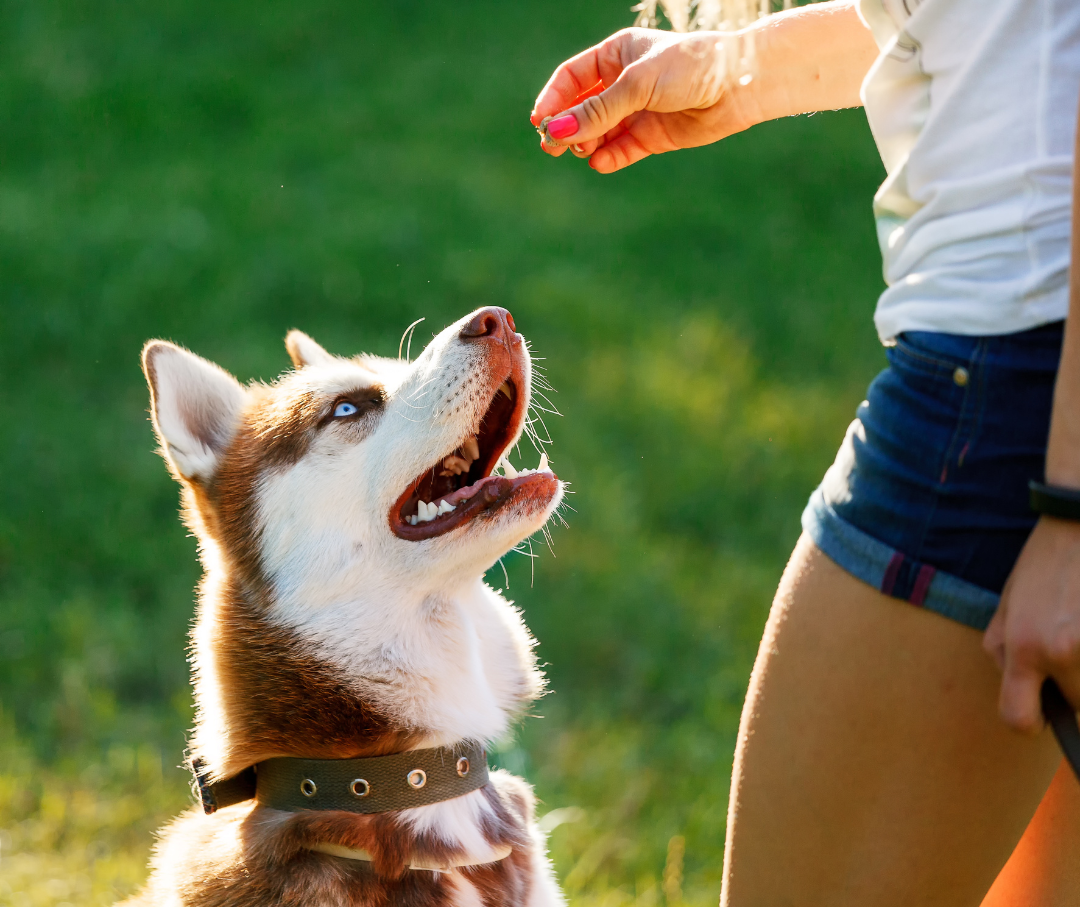
When it comes to dog training, treats are one of the most powerful and versatile tools you can use. Whether you’re teaching basic obedience, building engagement, or reinforcing calm behavior, food rewards help your dog understand that good choices pay off. At Big Sky K9, we believe training should be rewarding, fun, and clear, and treats can play a big part in making that happen.
Choosing the Right Treats
Not all treats are created equal. The best training treats are ones your dog finds valuable, but that also support their overall health.
At Big Sky K9, we recommend single-ingredient treats or treats made with as few ingredients as possible. These are easier on your dog’s stomach, especially during frequent training sessions. Look for options like:
- Freeze-dried meats (chicken, beef, liver, or salmon)
- Small pieces of cooked meat or cheese
- High-odor, high-value commercial treats with limited ingredients
Remember, treats don’t need to be large to be effective! Most dogs are just as motivated by a pea-sized piece as they are by a bigger chunk. You can often break larger treats into smaller bits since this keeps calories low and allows for more repetitions during training.
Treats as a Variable Reward
Food is more than just a way to say “good job.” It’s part of what we call a variable reward system — meaning sometimes your dog earns a treat, sometimes they get praise, play, or access to something they enjoy (like sniffing or going outside).
Mixing up your rewards helps keep training engaging and teaches your dog to work with focus and enthusiasm even when the “big prize” isn’t guaranteed.
When Your Dog Isn’t Interested in Treats
Sometimes, even the tastiest treat doesn’t grab your dog’s attention. This can happen for a few reasons:
- Over threshold: Your dog may be too nervous, excited, or distracted to eat. In this state, learning can’t happen effectively.
- Full or overweight: If your dog just ate or has limited appetite due to extra weight, food may not be motivating.
- Low food drive: Some dogs simply have a lower interest in food, especially if they haven’t learned that food comes from working with you.
How to Build Your Dog’s Interest in Food Rewards
If your dog isn’t eager for food during training, don’t worry, food drive can often be increased with a few adjustments:
- Reduce distractions. Dogs won’t eat when they are stressed, so start training in a quiet, familiar space before working around other dogs, people, or new environments. Gradually increase distractions as your dog gains confidence. If your dog is still too focused on the environment, increase your distance from whatever is stressing or exciting them.
- Train before meals. Try scheduling training sessions before your dog eats.
- Work for food. Encourage your dog to earn their meals—use puzzle toys, training exercises, or enrichment games that involve food rewards. This builds motivation and engagement.
- Mix up your rewards. Use a variety of treats so your dog stays interested. Keep a mix of high-value options (like cheese or freeze-dried meat) for challenging moments.
- Make it fun! Play games that involve food—like tossing treats for them to catch or hiding small pieces for them to find. A playful approach keeps your dog excited to work with you.
Treats can be an important motivator and form of reinforcement in training. The right treats, given at the right time, help build focus, trust, and reliability. By choosing high-quality, tasty rewards and making training sessions engaging, you’ll help your dog develop great habits while strengthening your bond.
At Big Sky K9, we believe training should be rewarding, for both you and your dog. So grab those treats, keep it fun, and make every training moment count!